
In a world where multitasking is the name of the game, making a home efficient is like finding the holy grail of adulting. Who wouldn’t want a space that runs like a well-oiled machine? From cutting down on clutter to mastering the art of organization, these tips promise to transform any chaotic abode into a serene sanctuary.
Efficient Home Tips for Energy Savings
Creating an energy-efficient home can significantly reduce utility bills while enhancing comfort. Implementing effective solutions leads to sustainable living that benefits both individuals and the environment.
Insulation Solutions
Effective insulation minimizes heat loss during winter and keeps interiors cool in summer. Properly insulating walls, attics, and floors can lower heating and cooling costs by up to 20%. Materials such as fiberglass, cellulose, and spray foam provide various R-values that determine insulation effectiveness. Sealing gaps around windows and doors prevents drafts, contributing to overall energy efficiency. Regular inspections for wear and tear ensure insulation remains effective over time.
Smart Thermostat Recommendations
Smart thermostats adapt to user preferences and schedule adjustments automatically. Energy savings can reach up to 10% by setting temperature adjustments of a few degrees. Popular models, like Nest and Ecobee, offer features such as geofencing, which tracks user location for energy management. Learning capabilities help these devices optimize heating and cooling patterns. Remote access via smartphone apps allows users to monitor and adjust settings from anywhere, enhancing convenience and reducing energy consumption.
Organizing Your Living Space
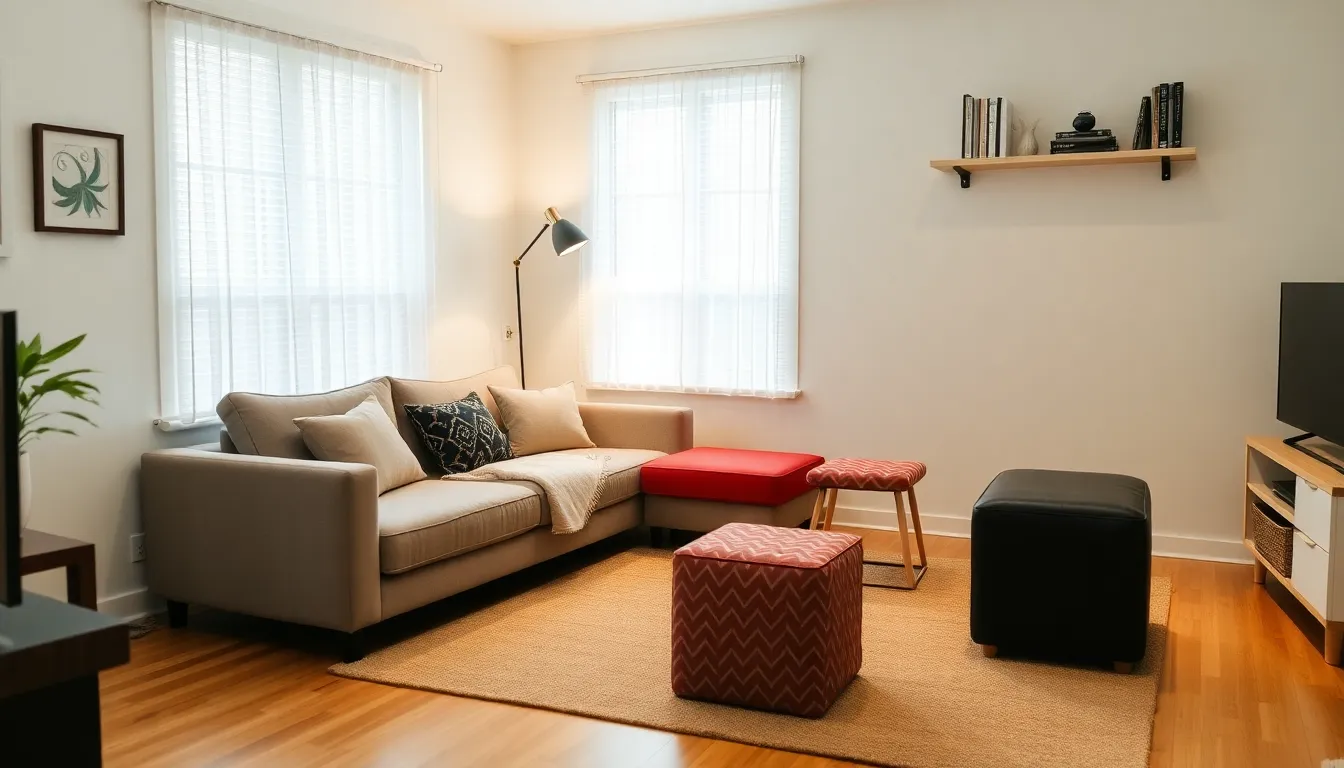
Creating an organized living space enhances comfort and efficiency. Implementing effective strategies for decluttering and selecting multi-functional furniture plays a crucial role in achieving this goal.
Decluttering Techniques
Start by sorting items into categories: keep, donate, and discard. This method simplifies decision-making and clears out unnecessary clutter. Establish a daily routine for tackling small areas; even 10 minutes of focused effort can lead to significant transformation. Consider utilizing storage solutions such as bins or shelves to maintain order. Labeling containers helps identify contents quickly, enhancing accessibility. Regularly reassessing belongings prevents accumulation of unnecessary items. Following these strategies ensures a more structured and enjoyable living environment.
Multi-Functional Furniture Ideas
Selecting furniture with dual purposes maximizes space and utility. For instance, a sofa bed provides seating and sleeping options for guests, minimizing the need for additional mattresses. Ottomans with storage compartments can serve as tables and organize miscellaneous items. Choose expandable dining tables to accommodate varying numbers of guests without taking up excess space. Folding desks allow for workspace flexibility, adapting to different needs throughout the day. Investing in these versatile pieces contributes to a streamlined, efficient home environment.
Time Management for Household Chores
Time management greatly influences household efficiency. Implementing structured routines can streamline daily tasks.
Effective Cleaning Routines
A systematic cleaning schedule promotes consistency. Designate specific days for different cleaning tasks, like dusting every Tuesday and mopping every Friday. Establishing a 15-minute quick clean daily helps maintain order without overwhelming effort. Utilize cleaning caddies filled with essential supplies to prevent wasting time searching for tools. Setting timers can create a sense of urgency, making chores feel less daunting.
Meal Prep Strategies
Meal prepping can significantly cut down on cooking time during the week. Dedicate a few hours each weekend to prepare meals for the upcoming days. Batch cooking staples like grains, proteins, and vegetables increases efficiency and variety. Storing pre-portioned meals in clear containers promotes organization and encourages healthier choices. Labeling containers with dates simplifies meal selection, ensuring freshness and reducing food waste.
Sustainable Practices at Home
Implementing sustainable practices enhances home efficiency and reduces environmental impact. Adopting simple strategies can lead to significant positive changes.
Recycling and Composting
Recycling reduces the amount of waste that ends up in landfills. Many communities offer curbside recycling programs, making it easy for residents to participate. Composting organic waste creates nutrient-rich soil and decreases reliance on chemical fertilizers. Compost bins can be placed in backyards or used indoor with counter composters. Avoid mixing non-compostable materials, as this ensures the compost remains usable. Commitment to recycling and composting leads to more sustainable waste management.
Water Conservation Tips
Water conservation plays a vital role in sustainable living. Simple actions include fixing leaks to prevent water loss; a dripping faucet can waste over 3,000 gallons yearly. Installing low-flow fixtures in showers and faucets reduces water consumption by up to 50%. Collecting rainwater in barrels for outdoor use supports garden irrigation without tapping into the water supply. Additionally, turning off the tap while brushing teeth saves gallons of water every day. Employing these strategies helps maintain valuable resources and lowers utility bills.
Efficient home living is within reach for anyone willing to implement small changes. By focusing on organization energy efficiency and sustainable practices, individuals can create a space that not only looks good but also functions well. Streamlining daily chores and adopting smart solutions can lead to a more comfortable and less stressful environment.
These tips empower homeowners to take control of their living spaces and enjoy the benefits of a well-organized home. Embracing these strategies can significantly enhance both quality of life and overall home efficiency.