In a world where square footage often comes with a hefty price tag, the quest for space efficiency has never been more crucial. Imagine turning that cramped studio into a cozy sanctuary or transforming a cluttered office into a productivity powerhouse. It’s like magic, but with a touch of strategic planning and a sprinkle of creativity.
Understanding Space Efficiency
Space efficiency encompasses the effective use of limited square footage to create functional areas that serve specific purposes. Designers focus on maximizing every inch available to enhance usability without compromising aesthetics.
Definition of Space Efficient
Space efficient refers to designs and layouts that optimize a given area for specific needs. Compact furniture, multifunctional items, and clever storage solutions contribute to a more effective space. Implementing these elements allows for a seamless flow while maintaining ease of movement.
Importance of Space Efficiency
Space efficiency plays a crucial role in urban living and work environments. Limited real estate increases the value of smart design solutions. Maximizing functionality in small areas improves organization and reduces clutter. Efficient spaces often contribute to higher productivity levels, as individuals find it easier to concentrate in well-structured environments. Adopting innovative space-saving techniques can lead to significant satisfaction in both personal and professional settings.
Applications of Space Efficient Design
Space-efficient design plays a vital role in various applications, enhancing functionality and aesthetics across different environments. Below are key areas where these designs are especially beneficial.
Residential Spaces
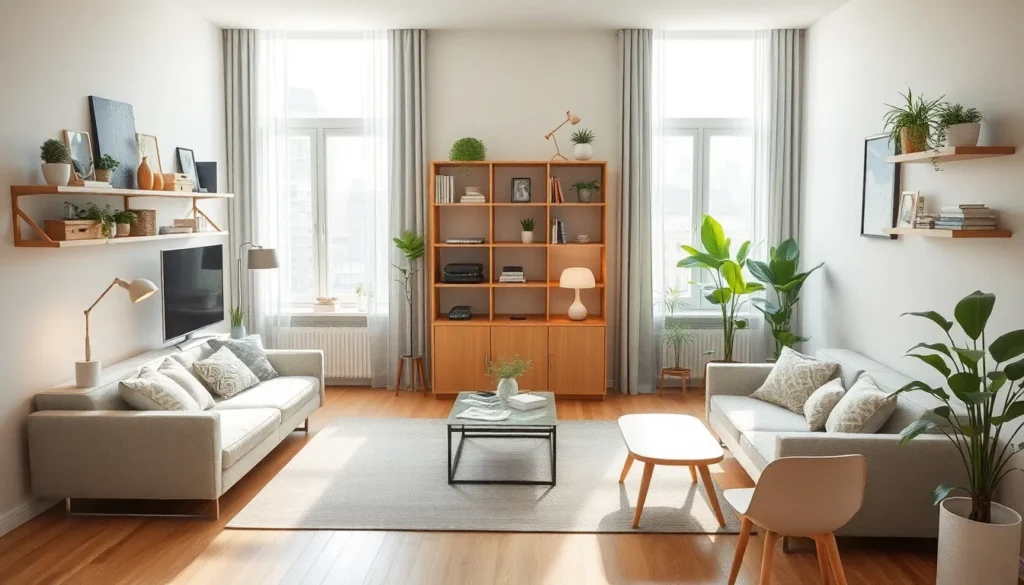
In residential settings, space efficiency is crucial for small apartments and homes. Designers often incorporate multifunctional furniture like sofa beds and extendable dining tables, which maximize utility without occupying excess space. Clever storage solutions such as built-in cabinets and under-bed drawers maintain organization and reduce clutter, making small areas more livable. Creative layouts that utilize vertical space enhance the overall ambiance while ensuring that each room serves its purpose effectively.
Commercial Spaces
Commercial spaces benefit significantly from space-efficient design as well. Office layouts often employ collaborative workstations and flexible meeting areas that adapt to various needs. Multi-purpose furniture, such as conference tables that convert into workstations, increases the functionality of limited office footprints. Additionally, efficient storage solutions, including modular shelving and hidden compartments, improve organization and accessibility. These design strategies help promote productivity while maintaining a pleasant environment for employees and clients.
Urban Planning
Urban planning heavily relies on space-efficient strategies due to population density and limited land availability. Planners utilize mixed-use developments that combine residential spaces with commercial areas, fostering community interactions and reducing transit time. Green spaces, such as rooftop gardens and pocket parks, enhance urban environments without taking up significant ground space. Implementing efficient public transportation systems also maximizes space usage, ensuring that urban centers remain vibrant and accessible. These considerations create livable, sustainable cities that accommodate growing populations.
Benefits of Space Efficient Solutions
Space-efficient solutions offer numerous benefits that enhance living and working environments. They improve overall usability while maximizing limited square footage.
Cost Savings
Cost savings emerge as a significant benefit of space-efficient designs. By optimizing space, individuals and businesses can reduce expenses related to rent or mortgage payments. Smaller spaces typically incur lower utility bills, contributing further to financial efficiency. Moreover, multifunctional furniture and storage solutions minimize the need to purchase additional pieces. Investments in space-efficient designs often yield long-term savings due to their ability to adapt to changing needs without major renovations.
Enhanced Functionality
Enhanced functionality characterizes space-efficient designs. These solutions enable areas to serve multiple purposes, ensuring maximum utility. For instance, a living room can seamlessly transition into a workspace, thanks to foldable desks and compact seating. Storage solutions like built-in shelves elevate organization by offering places for various items without cluttering spaces. These features facilitate ease of movement, making both residential and commercial areas more adaptable to various activities.
Environmental Impact
Environmental impact illustrates another crucial advantage of space efficiency. Utilizing smaller spaces reduces the overall footprint, minimizing resource consumption during construction and maintenance. Energy efficiency improves as smaller areas require less heating and cooling, leading to reduced carbon emissions. Compact furniture often utilizes sustainable materials, contributing to a more eco-friendly lifestyle. Ultimately, space-efficient solutions not only benefit individuals but also align with broader sustainability goals in urban planning.
Challenges in Achieving Space Efficiency
Achieving space efficiency poses several challenges that designers and planners must navigate to create effective solutions.
Design Limitations
Design limitations often arise from specific architectural features. Fixed structural elements, like columns and beams, restrict layout flexibility. Designers also face challenges with available materials, which can limit design creativity. Aesthetic preferences can conflict with functionality, causing difficulties in achieving the desired balance. Furthermore, codes and regulations frequently impose constraints on the dimensions and uses of spaces. These considerations demand innovative thinking to optimize areas effectively.
Practical Considerations
Practical considerations play a vital role in space efficiency. User behavior significantly influences design choices, with occupants’ needs dictating the effectiveness of layouts. Budget constraints can also limit material and furniture selections, affecting overall design objectives. Ergonomics must not be overlooked, as poorly designed spaces can hinder comfort and productivity. Additionally, maintenance requirements impact the selection of materials and furniture, as long-lasting solutions are preferable in space-efficient designs. Each of these factors necessitates careful planning to ensure successful outcomes in maximizing space.
Space efficiency is a vital consideration in modern living and working environments. By maximizing every inch of available space, individuals and businesses can create functional and aesthetically pleasing areas that enhance productivity and satisfaction. The strategic use of multifunctional furniture and clever storage solutions not only declutters spaces but also aligns with sustainability goals.
As urban populations grow and square footage becomes increasingly valuable, embracing space-efficient designs will be essential for fostering vibrant communities and improving quality of life. With thoughtful planning and creativity, anyone can transform limited spaces into inviting and practical environments that meet their specific needs.